
Visiting Seoul as a K-pop fan is exciting, but the practical details can feel confusing on a first trip. Concert venues may be far from agency areas, pop-up stores may require reservations, and the map app you normally use at home may not be the strongest option in Korea.
A good K-pop trip is not about visiting the most places in the shortest time. It is about preparing the small details that help you move around Seoul, pay for things, understand event notices, and enjoy fan activities without unnecessary stress.
1. Install NAVER Map before your trip
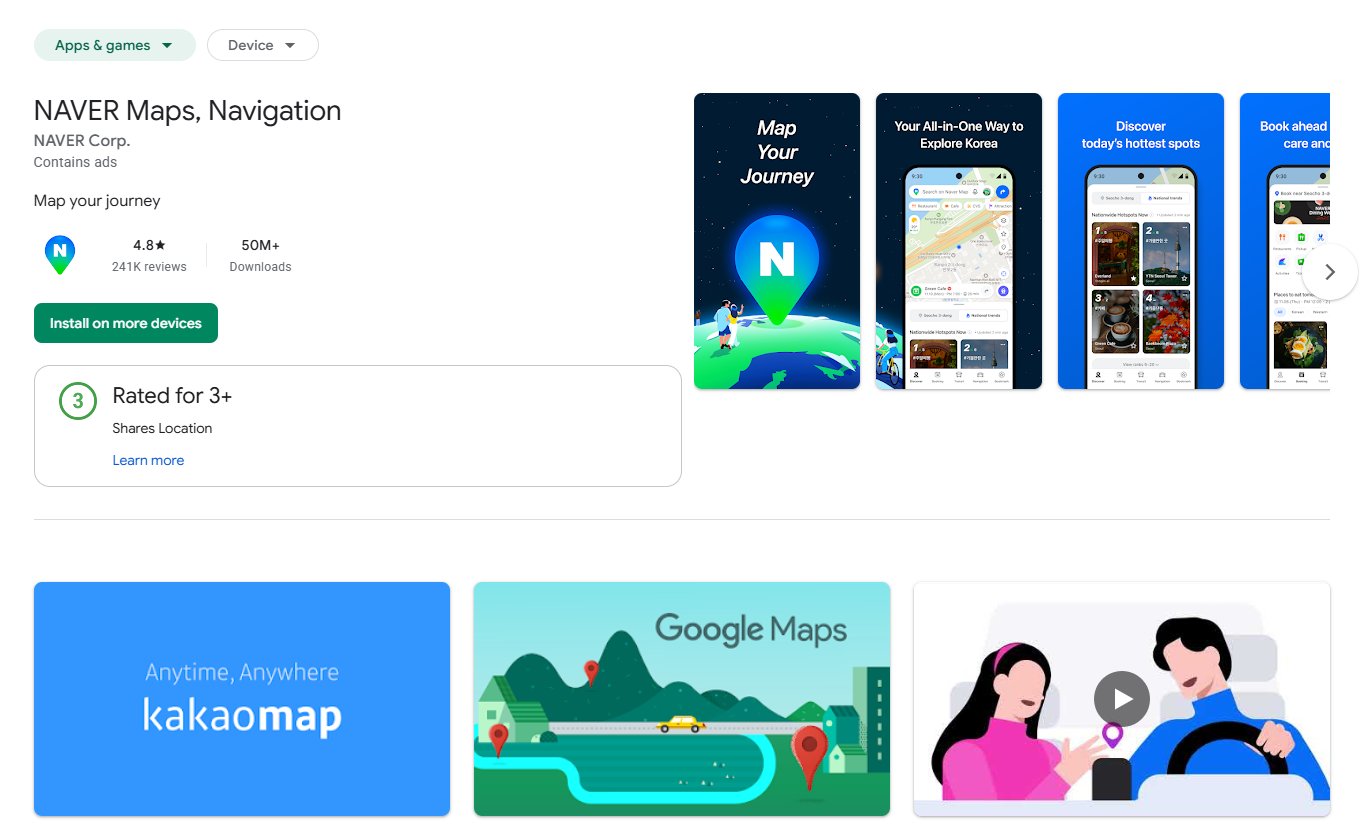
For travel within Seoul, NAVER Map is usually more useful than Google Maps. It provides detailed subway routes, station exit numbers, bus information, walking directions, and local place listings. NAVER Map supports an English interface, making it a practical choice for international visitors.
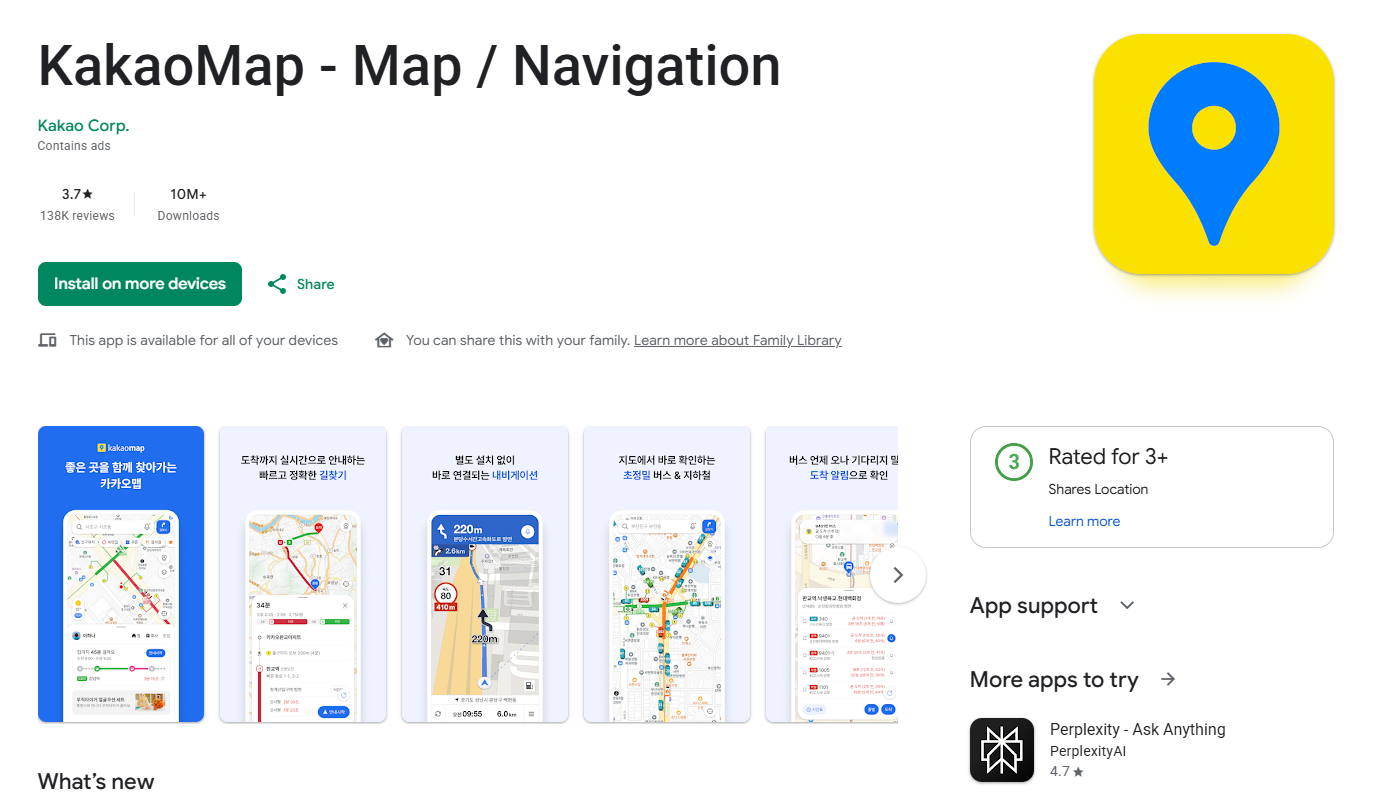
KakaoMap is another useful option for detailed routes and local information, although some place names and content may still appear in Korean. Google Maps can still be helpful for checking general locations and reading international reviews, but it should not be your only navigation app in Korea.
Before your trip, install NAVER Map and save your hotel, nearest subway station, airport transportation stop, concert venues, pop-up stores, entertainment company areas, album shops, birthday cafes, and emergency locations such as hospitals or police stations.
Save the Korean name of each destination whenever possible. Korean place names often produce more accurate search results than English names. Before leaving your hotel, check not only the nearest station but also the correct station exit and the walking route from the exit to your destination. A place that appears close to a station may be difficult to reach from the wrong exit.
Use NAVER Map as your main navigation app, KakaoMap as a backup, and Google Maps for general reference and international reviews.
2. Get a transportation card plan
A T-money card or similar transportation card is one of the most useful items for Seoul. It can be used on subways and buses, and it saves time when moving between fan stops. The card itself and the balance are separate, so remember to add money after buying the card. Learn how to buy, recharge and use a Korean transportation card in our T-money Card Guide for Foreign Visitors.
Some charging locations may require cash, so keep a small amount of Korean won even if you plan to use a credit card for most purchases. On buses, tap when entering and tap again before leaving. On the subway, tap at the entrance gate and again at the exit gate.
3. Do not plan Seoul by distance alone
Places that look close on a map may require a subway transfer, a long underground walk, or extra time to find the correct building entrance. A realistic half-day plan usually works better than a crowded full-city checklist.
| Area | Useful for | Planning note |
|---|---|---|
| Yongsan | HYBE area and central Seoul movement | Good for a focused half-day route. |
| Seongsu | SM area, cafes, pop-ups, and Seoul Forest | Leave time for walking between spots. |
| Hapjeong and Hongdae | YG area, shopping, cafes, and nightlife | Better as one west-Seoul plan. |
| Olympic Park area | KSPO Dome and eastern Seoul events | Plan your return route before the show. |
4. Check whether an event requires a reservation
Not every fan event allows visitors to walk in freely. Pop-up stores, exhibitions, fan events, music show recordings, and merchandise pickups may require online reservations, fan club membership, identity verification, album purchase proof, a QR code, or a specific arrival time.
Read the official notice carefully before traveling to the venue. Fan translations are helpful, but requirements can change by artist, date, and event. Take screenshots of the reservation page and the official notice in case internet access is slow in a crowded area.
5. Make sure your name matches your passport
Name differences are a common problem for international fans. Your fan club account, ticketing account, reservation, and passport may need to show the same name. Problems can happen when a first and last name are reversed, a middle name is missing, a nickname is used, or the spelling does not match.
For high-demand concerts, prepare your account before ticket sales open. Ticketing day is not the right time to discover that your name, password, phone number, or payment card does not work.
6. Prepare more than one payment method
Credit and debit cards are widely used in Seoul, but foreign cards do not work in every situation. A card can be rejected because of the payment system, international transaction settings, card security rules, or the type of ticketing website.
Carry one primary international card, one backup card, a small amount of Korean cash, and a transportation card with enough balance. Before leaving home, check whether your card allows overseas transactions.
7. Get reliable mobile internet
You will need internet access for maps, translation, ticket confirmations, event notices, and communication. Common options include eSIM, physical SIM cards, portable Wi-Fi devices, and international roaming.
An eSIM is convenient for compatible phones because it can be installed before arrival. A physical SIM may be useful if you need a Korean phone number. Check whether your event or reservation requires SMS verification because a data-only eSIM may not provide a local number.
8. Expect queues and schedule changes
Fan activities often involve waiting. Merchandise sales, pop-up entry, birthday cafes, concert admission, identity checks, ticket pickup, music show recordings, and limited products can all take longer than expected.
Do not schedule an expensive reservation immediately after a fan event unless you have enough extra time. Staff instructions may change, an event may start late, or transportation around a concert venue may become crowded.
9. Respect entertainment company buildings
Entertainment company headquarters are offices, not guaranteed tourist attractions. Fans can enjoy the surrounding neighborhood and take photos from public areas, but should not block entrances, follow employees or vehicles, enter restricted areas, or wait near private access points.
A better plan is to combine an agency-area stop with nearby cafes, parks, shops, exhibitions, and public attractions. This makes the trip enjoyable even when there is no official fan activity.
Useful Korean phrases
| Korean | Meaning | When to use it |
|---|---|---|
| 여기 맞아요? | Is this the right place? | When checking a venue, line, or building. |
| 이 줄 맞아요? | Is this the correct line? | When several queues are near each other. |
| 예약했어요. | I have a reservation. | At pop-ups, cafes, and event entrances. |
| 해외 카드 되요? | Do you accept foreign cards? | Before paying at small stores or booths. |
| 티머니 카드 충전해 주세요. | Please add money to my T-money card. | At a convenience store or charging counter. |
| 화장실 어디예요? | Where is the restroom? | At venues, cafes, and stations. |
Final checklist before leaving
- Install NAVER Map, keep KakaoMap as a backup, and save key places in Korean.
- Prepare a transportation card plan and small cash backup.
- Check passport, ticket, reservation, and account name matching.
- Arrange mobile internet and bring a portable battery.
- Save official event notices and reservation screenshots.
- Leave extra time between concerts, pop-ups, cafes, and shopping stops.
FAQ
Can I enjoy a K-pop trip without visiting agency buildings?
Yes. Many visitors have a better experience by focusing on concerts, pop-ups, album shops, birthday cafes, neighborhoods, food, and language practice instead of waiting around office buildings.
Which map app should I use in Seoul?
NAVER Map is usually the best primary navigation app for international visitors in Seoul. It provides detailed subway routes, station exits, bus information, walking directions, and local place listings, and it supports an English interface. KakaoMap is also useful as a backup for checking detailed local routes and transportation information. Google Maps can help with general locations and international reviews, but it should not be your only navigation app in Korea.
How much Korean do I need?
You do not need fluent Korean, but short phrases and saved screenshots help a lot. Staff can understand your situation faster when you show the reservation, address, product photo, or official notice.